News Senior Technical Woman Profile: Wendy Rannenberg, Director of Technology, MicroLan Systems


1. How did you decide to pursue a career in technology?

I took an introductory computer science class for business majors. I did well. I liked math. My dad, a senior executive for a large defense contractor had a chat with me. He pointed out that computers were the way of the future. This was in the late 70′s. He had, after all, bought me my first calculator in 1972! A referral from my professor to the UConn School of Engineering put me on track for my CS/EE degree.

2. Based on your own experience, what skill(s) or characteristic(s) do you think are most important for technical women to succeed?

You really need to believe in yourself, no matter how many times someone asks why you are at the table. Beyond that, a strong understanding of negotiation techniques and continuing education are essential. Belonging to ACM, IEEE and/or SWE all help with keeping skills up to date.

3. What was the greatest challenge that you overcame in your career?

My greatest challenge has always been to recognize when I need to make a change in my career. It was hard for me to take risks when I felt my contributions were no longer valued or there were too many roadblocks for me to feel successful.

4. How do you manage work/life balance?

Throughout my career I have adopted a variety of strategies. I always tried to take time off to do some fun things. When I had my first child, I negotiated to work part time and from home. This was very uncommon at the time. While this slowed my career advancement, it did not stop it. Nine years later, when my second child was born, I was leading a large international project team. However, I successfully negotiated taking close to a year off. During that time I had minimal time in the office but was able to keep up with the team. Having good child care became critical, as did having a husband with flexible work hours. I also never lost sight of where I wanted my career to go.

5. What advice would you give to women in high tech who want to advance on the technical track specifically?

Find the right mentors. In my case, I had a male Engineering Fellow who was very supportive of women engineers and worked hard to make sure we had opportunities. He understood the importance of the technologies I worked on and asked challenging questions. I also had a woman VP who was quite skilled at working the system and sometimes felt pressured to give up her own pure technical career. She knew where the roadblocks were. Both listened well, offered great advice and a shoulder when things were not going too well. Next, find the right manager, one who lets their engineers’ team take risks. For me, working on projects that were just outside the mainstream deliverable for our group was a way to stay highly visible. Work on projects with other companies, become known in your field. Never stop learning. Stay focused.

6.  How do you stay current in your technical field?

The web has certainly made this so much easier. The plethora of online journals and courses makes it so much easier to keep current and identify trends in technology. Scanning recruiting sites and corporate career sites can give you a great sense of what skills are most sought after. I make a point of reading as much as I can. I have probably completed a dozen or more classes this past year.

7. In your opinion, what (if any) are the remaining barriers faced by women in technology?

I believe that more people need to recognize not only the capabilities of women but the necessity of having women participate in designing solutions to difficult technical problems. Too often when men “fail” at delivering a project they are given new opportunities, while women are pushed aside. Women need to be given these same opportunities to succeed.


Wendy Rannenberg is the Director of Technology for MicroLan Systems in New Hampshire, a small engineering firm offering a variety of software engineering solutions. A graduate of the University of Connecticut School of Engineering, Wendy has over 27 years of experience in all phases of software development. She started her career as an Electronics Engineer at the Naval Underwater Systems Center (NUSC) in New London, Connecticut. There she worked with a small team of researchers on submarine communication systems. She has worked on real-time systems, operating systems, application development and performance, application migration methodologies, software testing techniques, and more. For 12 years, Wendy specialized in internationalization methodologies for operating systems and applications. She has extensive large project management experience, has studied Six Sigma Green Belt methods and has led large international engineering teams. Wendy has extensive experience in the development of software engineering standards and development methodologies. In addition to working at NUSC, Wendy also worked for Sanders Associates, Lockheed, Digital Equipment Corporation, Compaq, and Hewlett Packard. She has spoken at many technical conferences and is a past board member of Unicode, Inc.

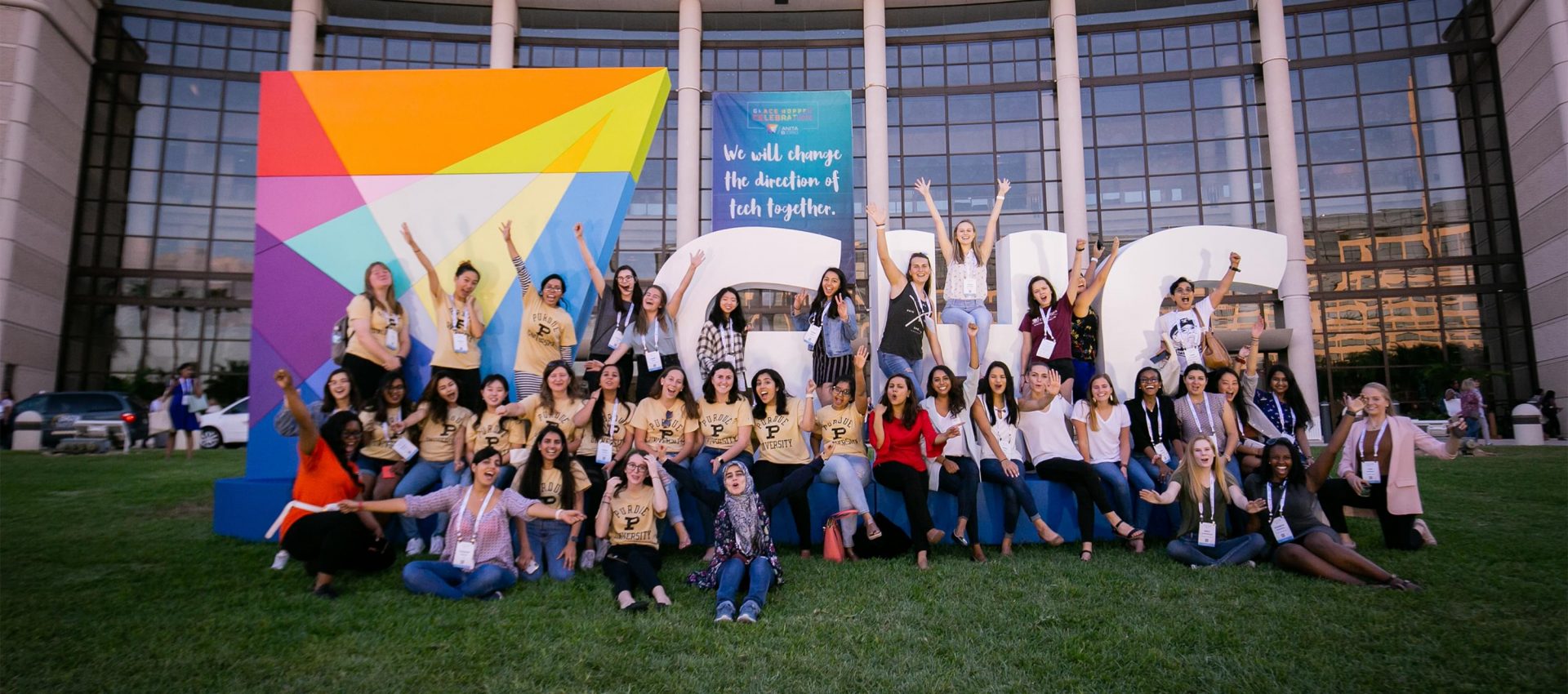
Throughout her career, Wendy has been involved with the advancement of women in engineering and science. She helped start a chapter of the Society of Women Engineers (SWE) at the University of Connecticut and is still member today. She was a leader in the Women at Work program at DEC. Wendy has been involved with the Grace Hopper Celebration of Women and Computing since its inception. She is a past member of the Girls FIRST Advisory Board and has been involved in coaching Odyssey of the Mind/Destination Imagination teams for over ten years. She continues to give talks and workshops for young girls interested in science/math and engineering.